What the strip is
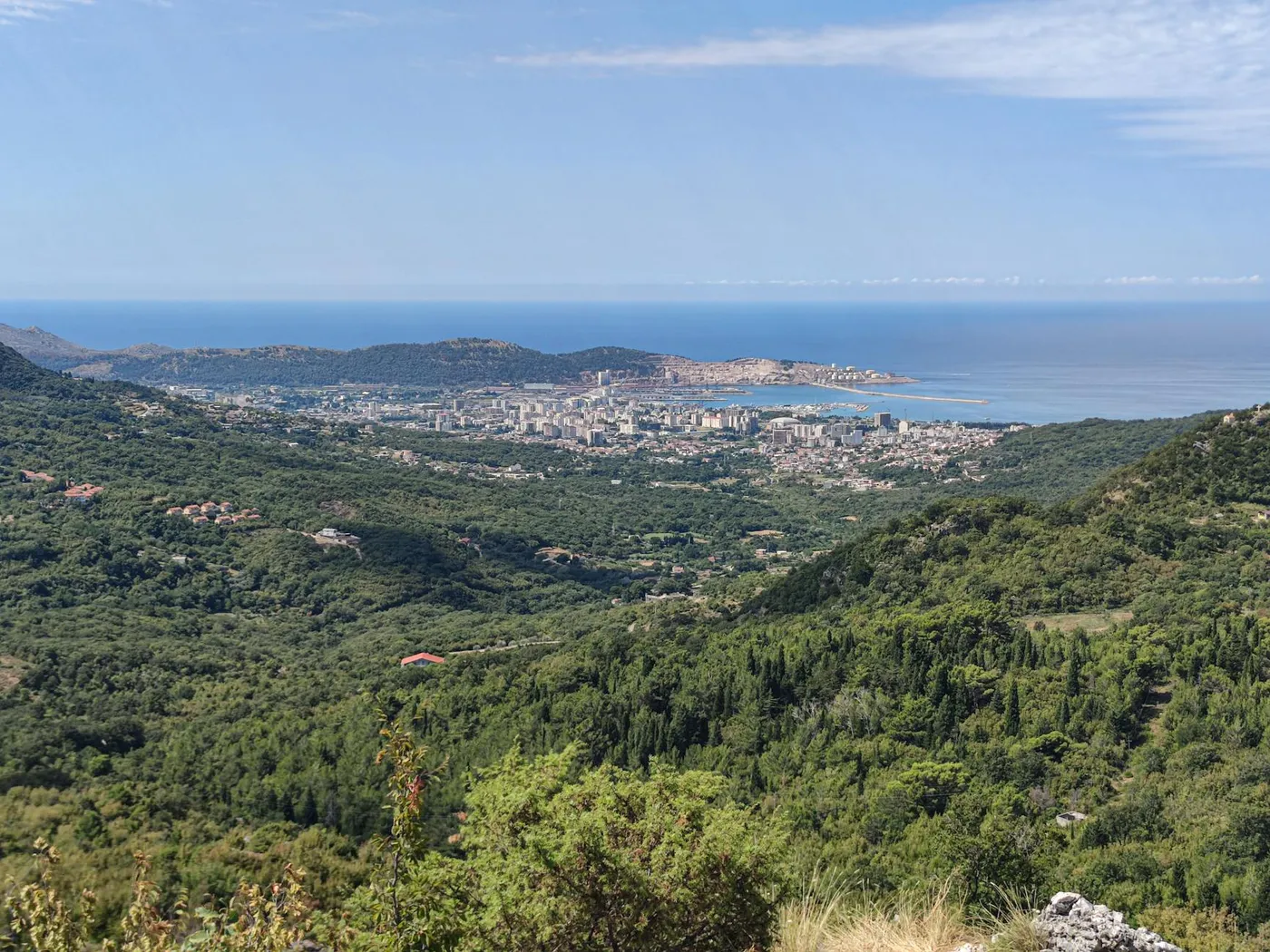
East of Herceg Novi the outer Bay of Kotor unfurls as a long, gentle arc of low-rise coastal villages, Meljine, Zelenika, Kumbor, Đenovići, Baošići, Bijela, stitched together by a near-continuous waterfront promenade. It has none of the tourist weight of Kotor or Budva; it has the slower, more residential feel of an Austro-Hungarian riviera that never fully industrialised. If Herceg Novi's old town is the postcard, this strip is the living room.
Why Đenovići in particular
Đenovići is a good centre of gravity for the strip. It is large enough to have cafés, a small waterfront, a church and a rhythm of its own, but small enough to walk end-to-end in fifteen minutes. It has a deep sea-captain tradition, several of the older villas along the waterfront were built by Đenovići men who sailed for Austrian, Ottoman and later Yugoslav merchant fleets. The name derives from the local Đenović family, who have been a significant presence in the village for centuries. A small church and local family cemeteries reflect that long residence.
The Austro-Hungarian layer
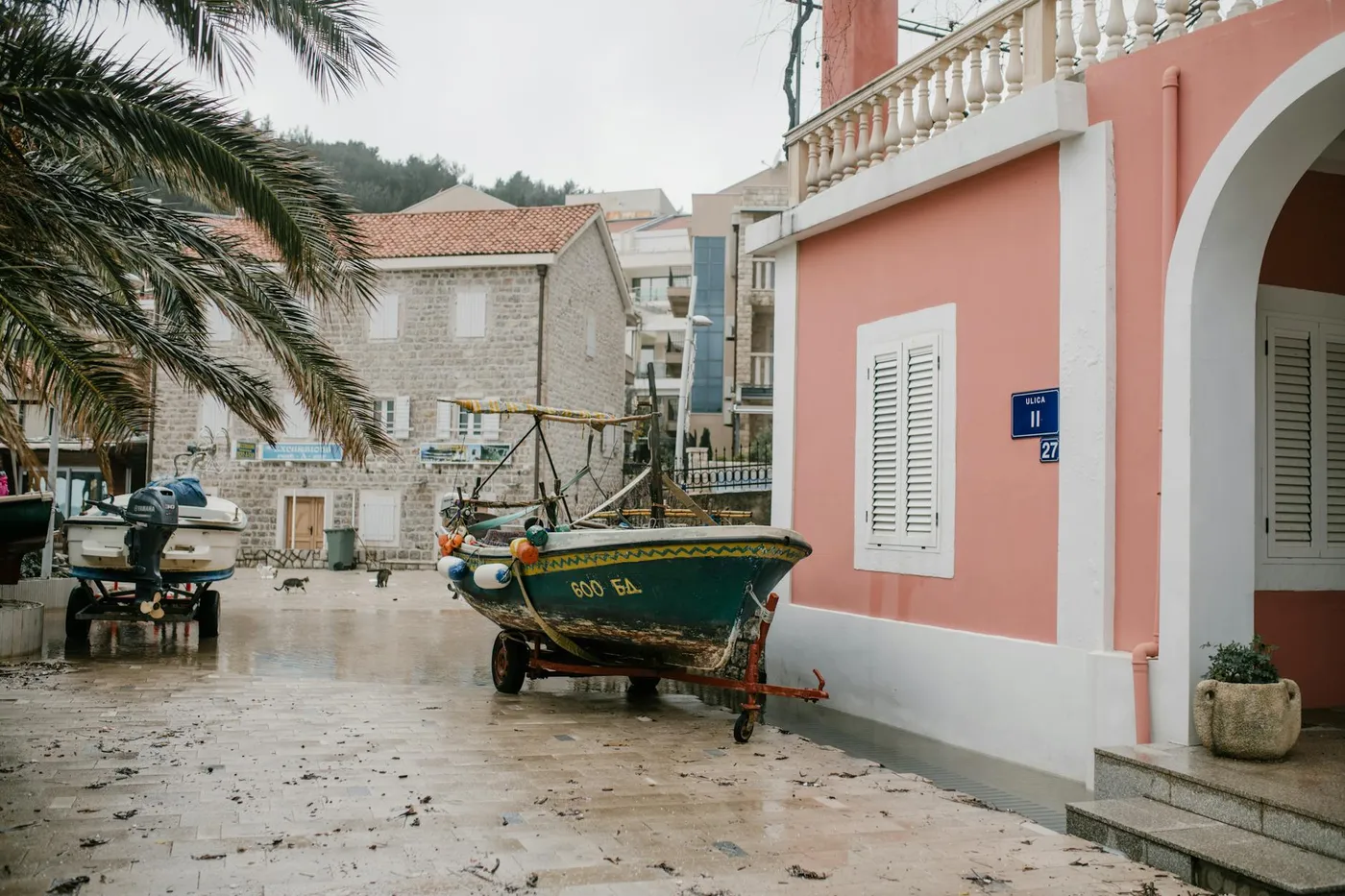
Between 1878 and 1918 this coast was administered from Vienna. The period left a distinctive architectural signature: two- and three-storey villas in pale plaster with green shutters, cypress avenues, concrete swimming platforms built out from the rocks, and a style of seaside promenade that feels more Trieste than Kotor. Many of the villas survive. Some are restored and occupied year-round; others hold on in faded glory, paint flaking, shutters closed most of the year.
The same era left its mark a few kilometres east at Kumbor, where the Austro-Hungarian (and later Yugoslav) naval base has been reborn as the Portonovi superyacht marina. Walking the promenade you see the transition first-hand, from faded seafront villa to post-military marina in a single afternoon.
The promenade itself
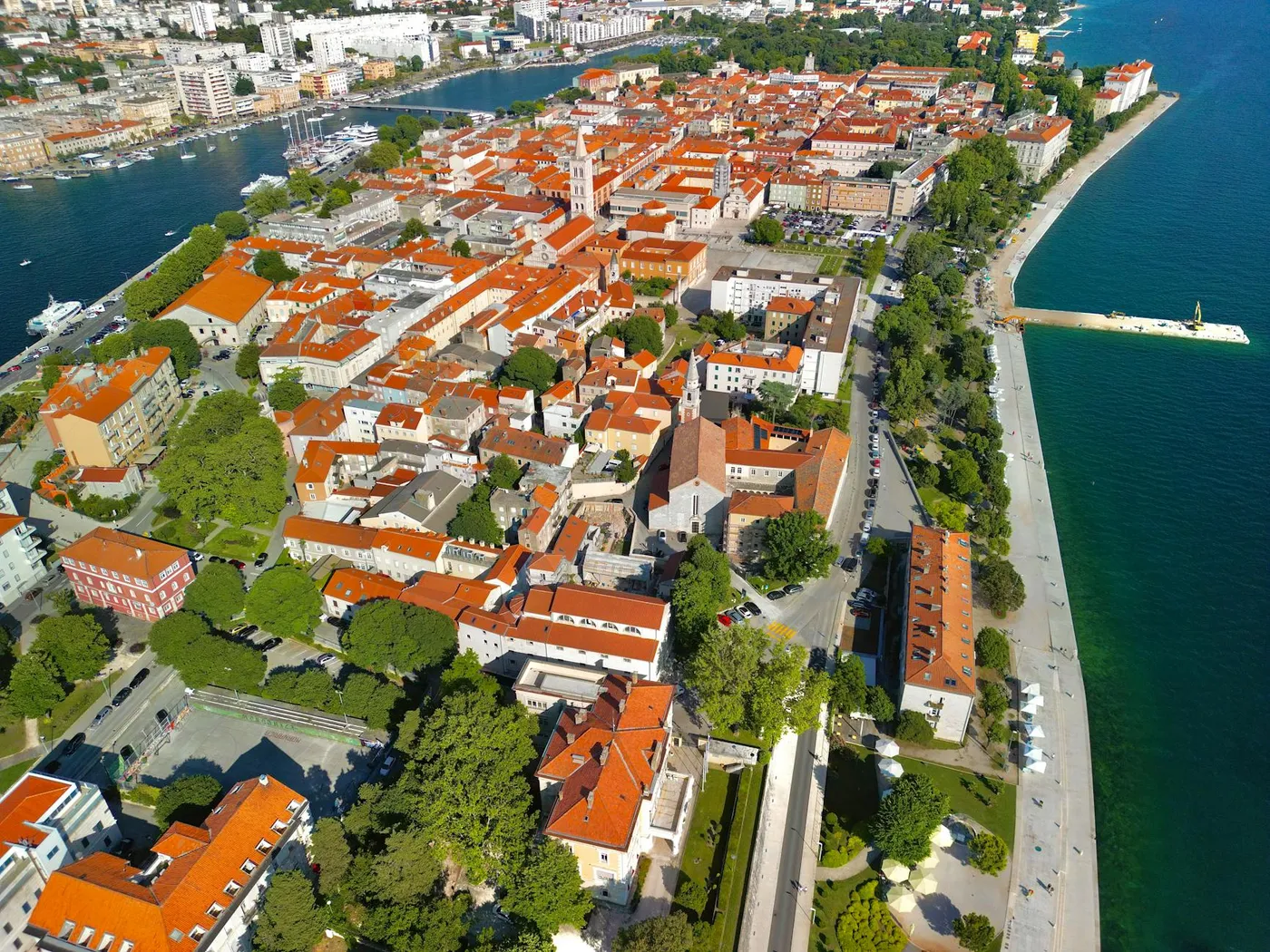
The paved waterfront walkway (part of the extended Šetalište Pet Danica system) runs for several kilometres along the bay. It is flat, shaded in parts by pines and plane trees, and broken by regular swimming ladders and small pebble coves. Locals use it for morning joggers, evening strollers and the kind of slow ice-cream crawl that the inner-bay towns do not really allow. You can cover the Herceg Novi → Đenovići section on foot in about an hour and a half at a slow pace, or in twenty minutes by bicycle.
Swimming and beaches
The water along this strip is markedly clean because the outer bay flushes with the open Adriatic twice a day. Đenovići's main beach is fine pebble with a concrete platform at one end. Baošići has a longer, more organised beach with sunbeds. Between them, and between Đenovići and Kumbor, small unmarked coves appear, some pebble, some just rocks and a ladder. Pack towel and water shoes.
Eating and drinking
The west-bay strip is where you find the konobas that Herceg Novi town prices have slowly displaced. A handful of small family-run places in Đenovići and Baošići do fresh grilled fish, octopus salad, small-boat mussels and house wine at prices that feel a decade younger than the old town's. Menus are typically short and seasonal. Lunch is the stronger meal; dinner is quieter because most of the foot traffic thins by nine.
Driving vs walking
The practical answer is both. Drive the magistrala end-to-end (ten minutes Herceg Novi to Bijela) to establish the geography. Then park at Đenovići or Baošići and walk the promenade in one direction for an hour. There is rarely a parking problem, roadside lay-bys and small waterfront lots are free outside peak July and August.
Where the strip connects
At its west end, the promenade merges into Herceg Novi's Šetalište Pet Danica and reaches the old town harbour. At its east end it fades at Kamenari, where the ferry to Lepetane crosses to Luštica. Along the way, Kumbor delivers you directly past Portonovi marina, and Bijela adds the working-coast shipyard layer.
What time of year to go
The strip is delightful in shoulder season, April to early June, late September to October. Summer is warm and usable but the promenade loses some of its quiet charm to holiday crowds. Winter is mild, the restaurants mostly closed, and the walk becomes an empty, pale-light affair that is its own kind of pleasure.
Practical tips
- Shade matters. Mid-afternoon in August is punishing; walk early morning or after 17:00.
- No lifeguards. The platforms and ladders are unsupervised; strong swimmers only past the floating lines.
- Bring cash. Smaller konobas often are card-optional rather than card-friendly.
- Electric bikes. Rental e-bikes in Herceg Novi let you cover the whole strip in a morning without a car.
Pair with
Đenovići pairs with an evening at Portonovi for the contrast, or a morning at the Ledenice viewpoint loop for the high view over the strip you just walked.